
Detecting weed incursions early
  • Log in
  • Register
DOC Logo DOC Logo
  • About
    • Background
    • How it works
    • Partners and contributors
    • Testimonials and success stories
    • Attribution
  • Learn
    • Learn about weeds in New Zealand
    • Weed risk assessment
    • Help detect new weeds
    • Educational resources
    • Community
    • News & Updates
  • Species
  • Places
  • Help
  • Dashboard
  • My account
  • Log in
  • Register
  • About
    • Background
    • How it works
    • Partners and contributors
    • Testimonials and success stories
    • Attribution
  • Learn
    • Learn about weeds in New Zealand
    • Weed risk assessment
    • Help detect new weeds
    • Educational resources
    • Community
    • News & Updates
  • Species
  • Places
  • Help
Search
  • Species
  • Home
  • Species
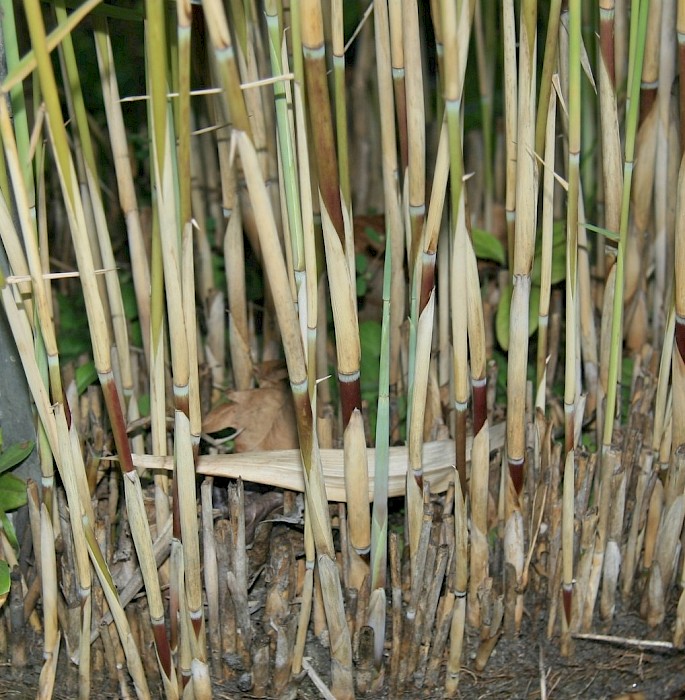
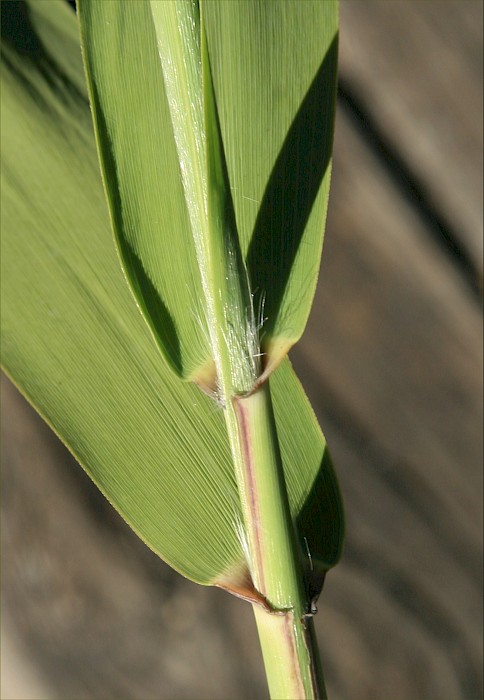
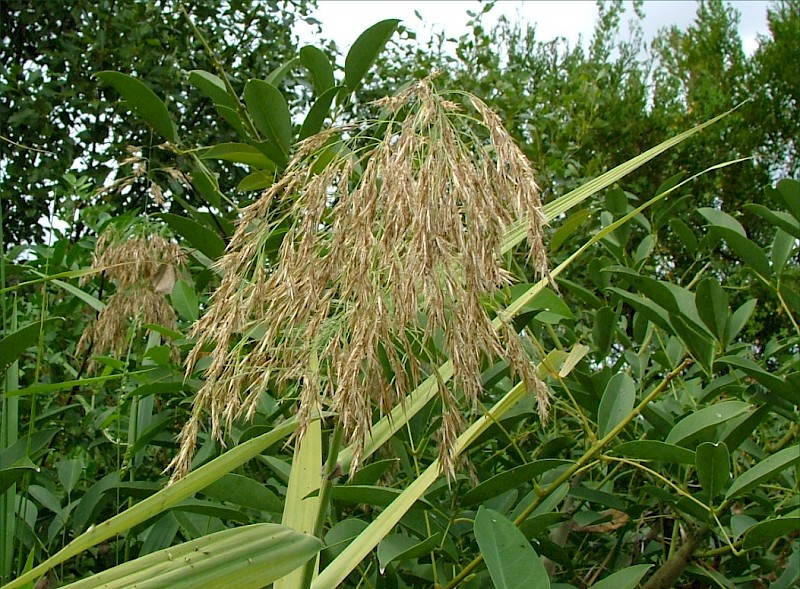
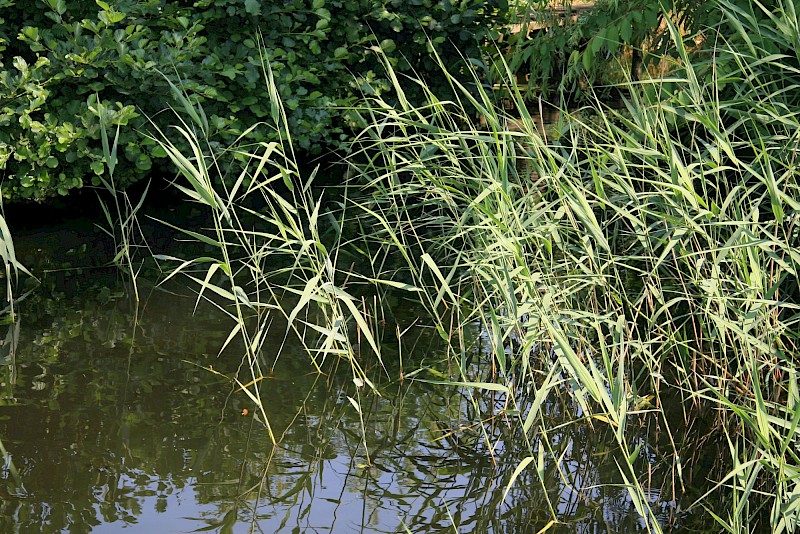
  • Phragmites australis

Phragmites australis
Species

Common names
phragmites
common reed
Full scientific name

Phragmites australis (Cav.) Trin. ex Steud.

Number of records
93
Currently classified as a weed
Yes
This weed is included in:
  • National Interest Pest Responses (NIPR)
  • National Pest Plant Accord (NPPA)
  • Notifiable Organisms
  • Unwanted Organisms
  • Canterbury RPMP - Eradication
  • Hawke’s Bay RPMP - Eradication
  • Manawatū-Whanganui (Horizons) RPMP - Exclusion
  • Northland RPMP - Exclusion
  • Tasman-Nelson RPMP - Exclusion
  • Species information (NZPCN)
  • Weed control information (Weedbusters)
  • Key to the grasses (Manaaki Whenua)
  • Key to the weed species (Manaaki Whenua)

This species is in the genus:

Phragmites
Genus
Department of Conservation logo Department of Conservation logo
New Zealand Government logo New Zealand Government logo
  • (Opens in a new tab/window)
  • (Opens in a new tab/window)
  • (Opens in a new tab/window)
  • Feedback
  • Contact
  • Privacy Policy
  • Terms of use
  • DOC Website (Opens in a new tab/window)
  • Sitemap
  • Open source information
  • Disclaimer

Smart Weed Alert Tool - Detecting weed incursions early

©2026 Department of Conservation

Return focus to the top of the page
  • Contact