

Pinus contorta Douglas ex Loudon
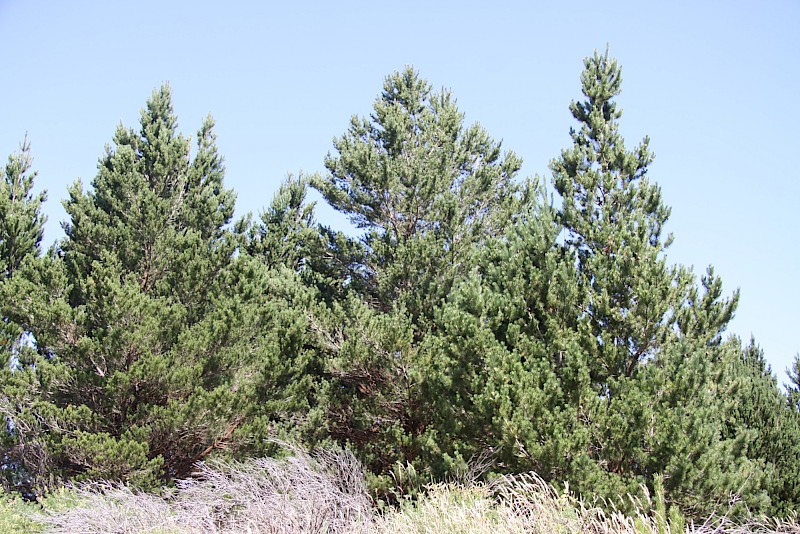
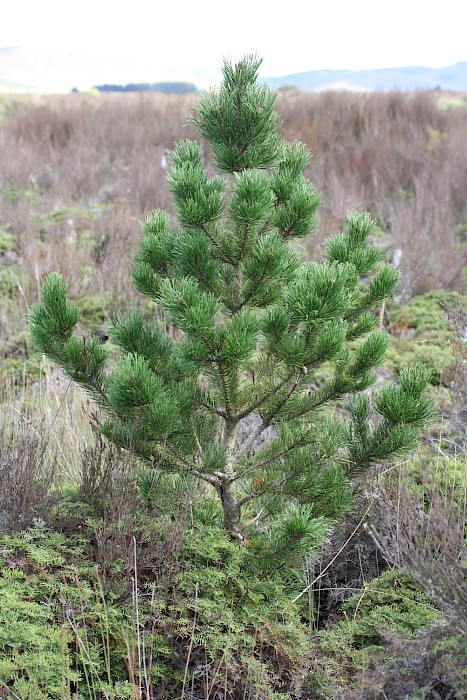
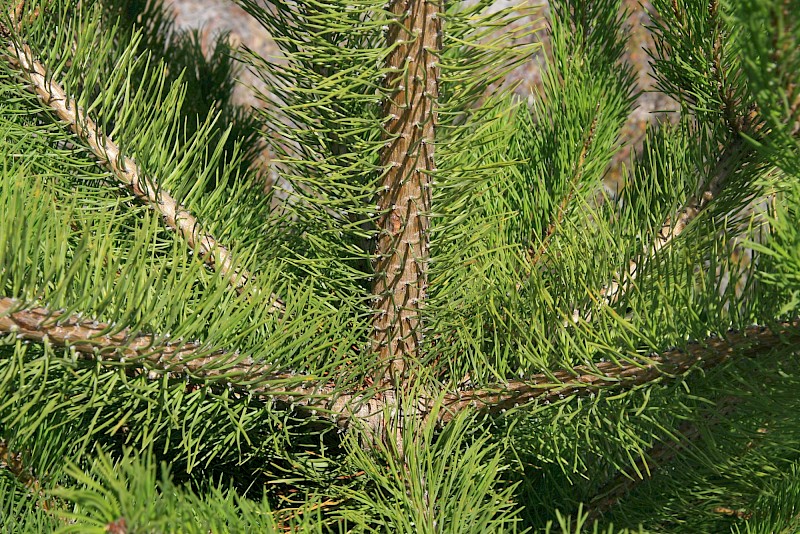
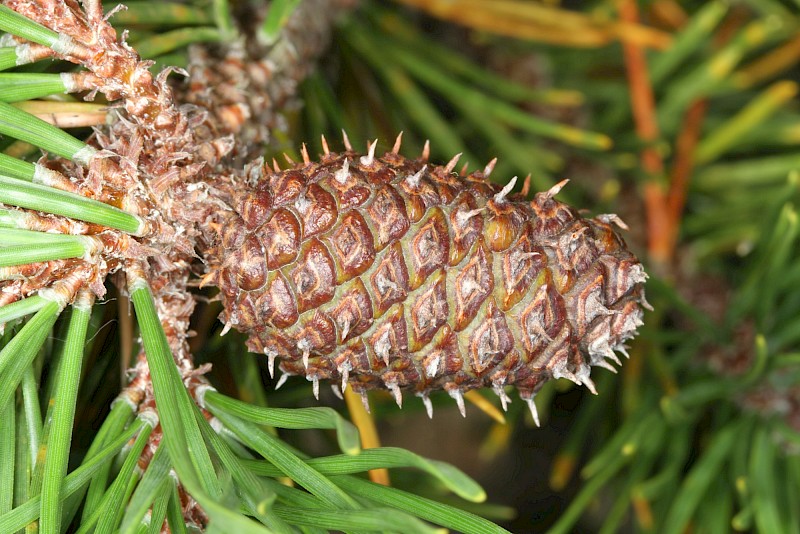
Contorta pine (Pinus contorta) is a long-lived, evergreen conifer that is native to North America. It was introduced to New Zealand for forestry, erosion control and shelter planting and was first recorded in the wild (naturalised) in 1957. The tree grows up to about 20 metres tall and has reddish-brown bark and short, twisted needles borne in pairs. It produces woody cones from an early age, which develop over about 27 months. Many cones remain closed on the tree for long periods of time and may only open after exposure to high temperatures, such as during a wildfire. It does not tolerate shade but tolerates frost, drought, wind, damp conditions and low-fertility soils. It reproduces by seed. Seeds are dispersed by wind.
This description has been automatically generated using information from trusted sources. If you notice any errors or omissions, please let us know.
- Environmental Weeds
- National Pest Plant Accord (NPPA)
- Unwanted Organisms
- Auckland RPMP - Sustained Control
- Bay of Plenty RPMP - Progressive Containment
- Canterbury RPMP - Progressive Containment
- Gisborne RPMP - Site-led
- Hawke’s Bay RPMP - Progressive Containment
- Manawatū-Whanganui (Horizons) RPMP - Progressive Containment
- Marlborough RPMP - Progressive Containment
- Northland RPMP - Sustained Control
- Otago RPMP - Progressive Containment
- Southland RPMP - Progressive Containment
- Tasman-Nelson RPMP - Progressive Containment
- Waikato RPMP - Progressive Containment
- Greater Wellington RPMP - Progressive Containment
- Chatham Islands RPMP - Organism of Interest