

Alternanthera philoxeroides (Mart.) Griseb.
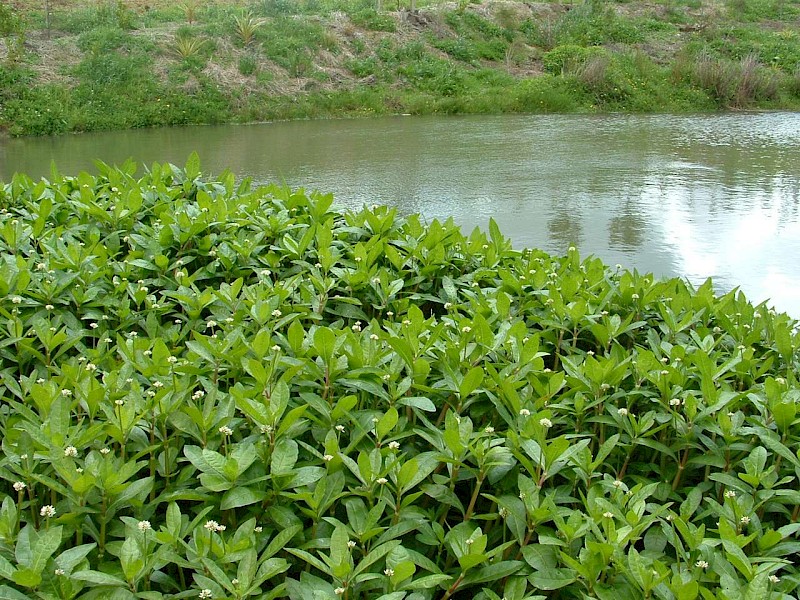
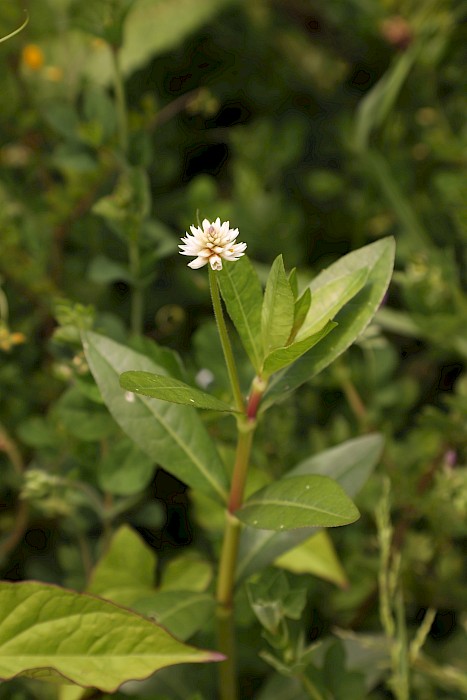
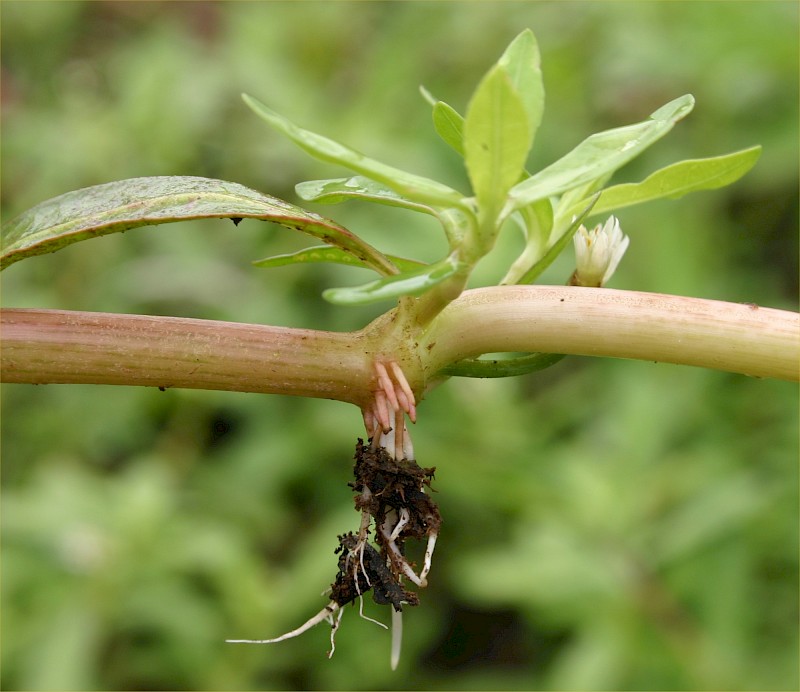
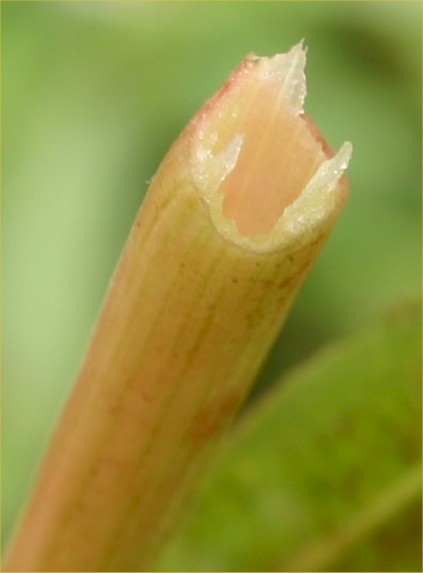
Alligator weed (Alternanthera philoxeroides) is a long-lived, perennial herb that is native to South America. It was introduced to New Zealand as a contaminant of imported goods and was first recorded in the wild (naturalised) in 1906. The plant has hollow, creeping stems that root freely at the nodes and can grow across land or float on water. It has opposite, glossy green leaves and flowers from December to March, producing small, white, clover-like flower heads. It tolerates flooding, drought and a wide range of soil types. It reproduces vegetatively from stem fragments, as seed is not produced in New Zealand. Stem fragments are dispersed by water, soil movement, machinery, dumped garden waste and other human activities. Even small stem fragments readily produce new plants.
This description has been automatically generated using information from trusted sources. If you notice any errors or omissions, please let us know.
- Environmental Weeds
- National Pest Plant Accord (NPPA)
- Unwanted Organisms
- Auckland RPMP - Exclusion
- Auckland RPMP - Site-led
- Auckland RPMP - Sustained Control
- Bay of Plenty RPMP - Eradication
- Bay of Plenty RPMP - Exclusion
- Bay of Plenty RPMP - Progressive Containment
- Gisborne RPMP - Exclusion
- Hawke’s Bay RPMP - Exclusion
- Manawatū-Whanganui (Horizons) RPMP - Eradication
- Waikato RPMP - Progressive Containment
- Greater Wellington RPMP - Exclusion